If you have ever tried to make a cute decoupage box or a rustic wreath using old sheet music for craft ideas, you probably know the struggle. The biggest mistake I see people make is grabbing modern reproductions instead of real vintage sheets. That yellowed, aged texture is everything. I learned this the hard way when I ruined a batch of decoupaged ornaments with fake paper that looked too bright and flat. The project felt cheap, not charming. Stick with actual antique music from thrift stores or online, and your DIY will look so much better. In this guide, I will walk you through exactly how to avoid that mistake and get the best results for your next upcycle project.
Why Authentic Vintage Sheet Music Matters for Your Craft Projects
The appeal of using old sheet music comes from its history. Each page carries a story. The paper has naturally darkened over decades, the edges are slightly brittle, and the ink has a warm, faded quality. Reproductions try to copy that look, but they always fall short. The colors are too uniform, the paper feels slick, and there is no variation in tone. When you use real vintage sheets, your projects gain depth. A decoupage box with genuine yellowed pages looks like a treasured heirloom. A wreath made with real music feels layered and rich. I have tested both side by side, and the difference is obvious. Trust me, your viewers will notice too.
How to Spot the Difference Between Real Antique Music and Modern Reproductions
Not every yellowed piece of paper is authentic. Some sellers offer digital prints or scans printed on coffee-stained copy paper. Here are a few quick checks you can do when shopping.
- Check the paper texture. Real vintage sheet music usually has a slight tooth or roughness. Modern prints feel smooth and uniform.
- Look at the ink. Genuine old music uses a dark, slightly irregular ink, often with tiny imperfections from the printing press. Reproductions look too perfect.
- Inspect the edges. Real pages have natural wear, tiny tears, or foxing (brown spots). If every edge is crisp and clean, it is probably a fake.
- Smell test. Old paper has a distinct musty, sweet aroma. Modern paper smells like fresh pulp or toner.
When you are buying online, ask the seller for close-up photos of the paper surface. If they hesitate, move on. I once purchased a bundle labeled “vintage sheet music” that was clearly printed on inkjet paper. The project I planned fell flat.
Where to Find Genuine Old Sheet Music for Your DIYs
You do not need to spend a fortune. Real antique sheet music is still widely available if you know where to look. Thrift stores and estate sales are my first stop. I usually find stacks of music from the 1920s through 1960s for a dollar or two per sheet. Garage sales can also yield surprising treasures. Online marketplaces like Etsy and eBay have dedicated vintage paper sellers. Search for terms like “antique piano sheet music” or “vintage music lot” and read the descriptions carefully. Look for listings that mention “original,” “pre-1960,” or “yellowed with age.” Avoid anything that says “reproduction” or “print.” Local antique malls sometimes have bins of sheet music too. I once found a whole box from the 1940s with gorgeous foxing and even a few handwritten notes. That box became the base for all my holiday wreaths that year.
The Best Craft Ideas Using Real Yellowed Sheet Music
Once you have your authentic sheets, the project options are endless. I keep a mental list of classic ideas that work beautifully with the vintage texture. Here are a few that I have personally tested and loved.
- Decoupage on wooden trays, boxes, or picture frames.
- Wreaths made by rolling paper into rosettes or cutting music into leaves.
- Folded book art or paper flowers for centerpieces.
- Backing for shadow boxes or greeting cards.
- Collage backgrounds for mixed media art.
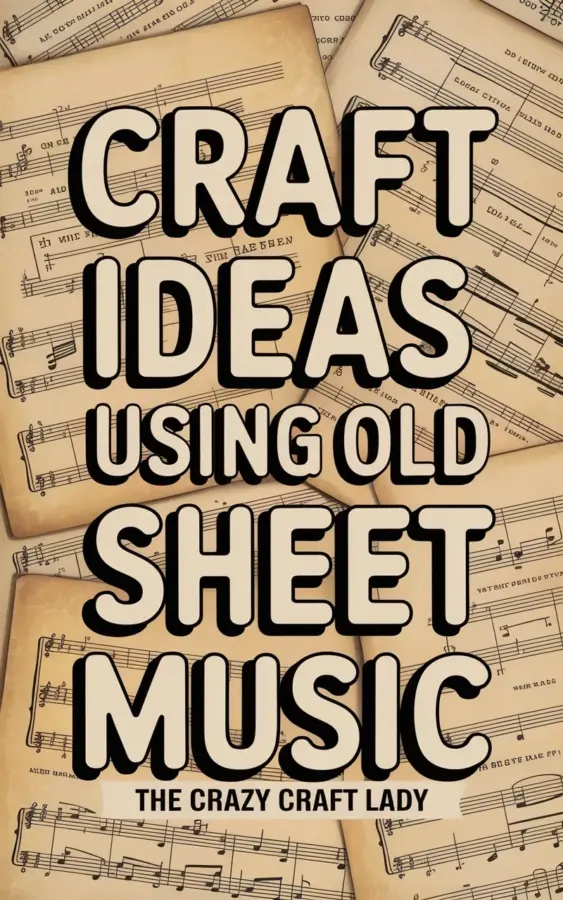
I especially love using real sheet music for upcycled crafts like covering old tins or making gift tags. The natural yellow tone adds warmth that no store-bought paper can replicate. One of my favorite projects was a set of coasters sealed with Mod Podge. The music had visible musical notes and staves, just like in that promotional image with the scattered pages and bold “CRAFT IDEAS” text. That authentic look made the coasters feel like a piece of history.
How to Preserve and Prepare Vintage Sheet Music for Decoupage, Wreaths, and More
Old paper is fragile. You need to handle it with care to avoid tearing or crumbling. Start by gently flattening any curls. Place the sheets under heavy books for a day or two. If there is dust or dirt, use a soft, dry brush to clean the surface. Do not use water or chemicals. For decoupage projects, I recommend using a matte Mod Podge or a glossy one depending on your desired finish. Apply a thin layer to the paper and to the surface. Work slowly to avoid bubbles. For wreaths, I often cut the music into strips or shapes before assembling. To prevent fraying, use a sharp pair of scissors or a craft knife. If you plan to store leftover sheets, keep them in a dry, dark place between acid-free tissue paper. Sunlight will fade the already delicate ink.
Common Mistakes to Avoid When Crafting with Old Sheet Music
Besides using reproductions, there are a few other errors that can ruin your project. Do not skip the sealing step for items that will be handled. Unsealed paper turns brittle and can yellow unevenly. Also, avoid mixing modern craft supplies with vintage paper. Bright neon ribbons or synthetic glitter will clash with the muted, aged aesthetic. Stick with natural tones like cream, brown, and muted greens. Another mistake is using sheets that are too damaged. Small tears add character, but large missing pieces or heavy water stains can make the project look messy rather than charming. Finally, do not overdo the distressing. Real vintage paper already has enough wear; you do not need to add fake tea stains or sandpaper edges. Let the paper be itself.
I have seen crafters try to speed up the aging process by dipping modern paper in tea or coffee. The results always look artificial and uneven. The real thing is worth the extra effort to find. Your projects will have that genuine, timeworn beauty that instantly draws the eye.
Save These Tips for Your Next Upcycle Project
Crafting with authentic old sheet music is rewarding, but only if you start with the right material. Avoid the trap of modern reproductions, take time to identify real vintage sheets, and prepare them gently. Whether you are making a wreath, decoupage coasters, or a collage piece, the natural yellowed texture and faded ink will make your work stand out. Next time you are at a thrift store or browsing online, look for genuine antique music. Your DIYs will thank you. If this guide helped you, pin it to your board for later. Happy crafting.
#vintagesheetmusic #craftideas #oldsheetmusic #diycrafts #upcycledcrafts
Leave a Comment