Picture this: you peel the backing off a roll of one-way mirror film for windows, smooth it onto your living room glass, and suddenly your space feels like a private studio. The daylight still pours in, your neighbors see only a soft reflection, and you feel clever for skipping the curtains. Then, by the end of the week, bubbles appear, edges peel, or the film looks hazy because of one tiny error you never saw coming. That is exactly why this guide exists. I have collected the most common mistakes with mirror privacy film, along with the simple fixes that save your money and your sanity.
How One Way Mirror Film Fails When the Light Is Not Right
Here is the first surprise: one-way mirror film does not magically become reflective on its own. It works because of the difference in light between the outside and inside. The brighter side sees its own reflection, which means during the day your interior is darker than the sunlit exterior, so passersby see a mirror.
But if your window faces north, sits under a deep porch, or looks onto a shaded courtyard, the light difference is too small. The film becomes a barely-there tint, and you lose the privacy you paid for. Before you buy, stand next to the glass at noon and check where the sun hits. If the outdoor side is not obviously brighter, choose a frosted or privacy film instead.
Self Adhesive Mirror Film Installation: Clean Glass Is Non-Negotiable
I know you want to start rolling the film right away. But every single bubble that appears later is usually a direct result of a dusty pane. Self adhesive mirror film installation is forgiving, but it is not magical. You need a clean, dry surface with zero lint, grease, or old soap film.
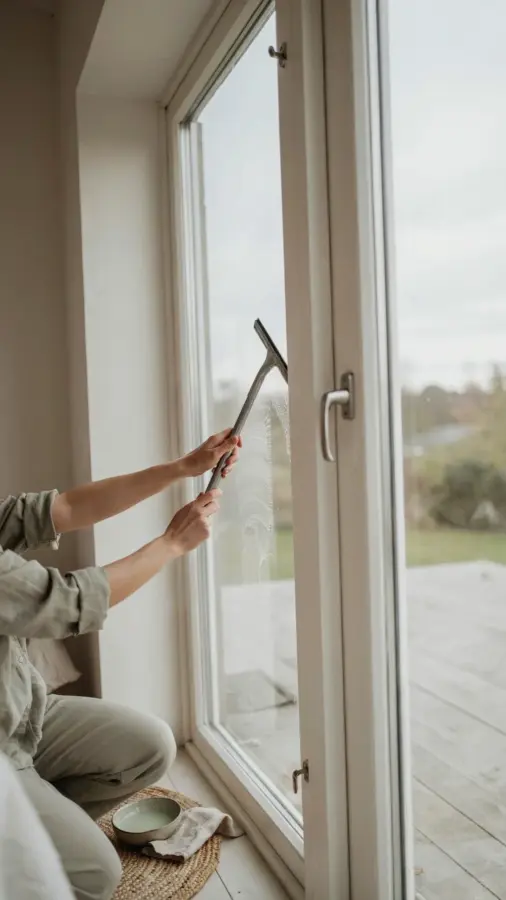
Here is the exact routine I use before I ever unroll the film:
- Mix a few drops of dish soap with warm water in a spray bottle.
- Scrub the entire glass with a soft sponge, including the corners.
- Rinse thoroughly and then scrape off every drop with a squeegee.
- Wipe the edges with a microfiber cloth and do a final dust check.
Skipping that last dust check is the most common mistake I see. One tiny hair or speck of lint can show up as a raised bump under the film. If you notice it after the film is on, you will have to peel it back and start over, which is honestly worse than spending four extra minutes on cleaning.
Why UV Protection Film for Windows Deserves Its Own Checklist
Most people pick a mirror film for the look, then forget about what it does to your interior. A good UV protection film for windows blocks up to 99 percent of UV rays, which means your sofa, wood floor, and plant leaves will not fade as quickly. But not every film offers the same level.
Some cheap rolls provide only a slight tint with almost no UV filtering
Leave a Comment