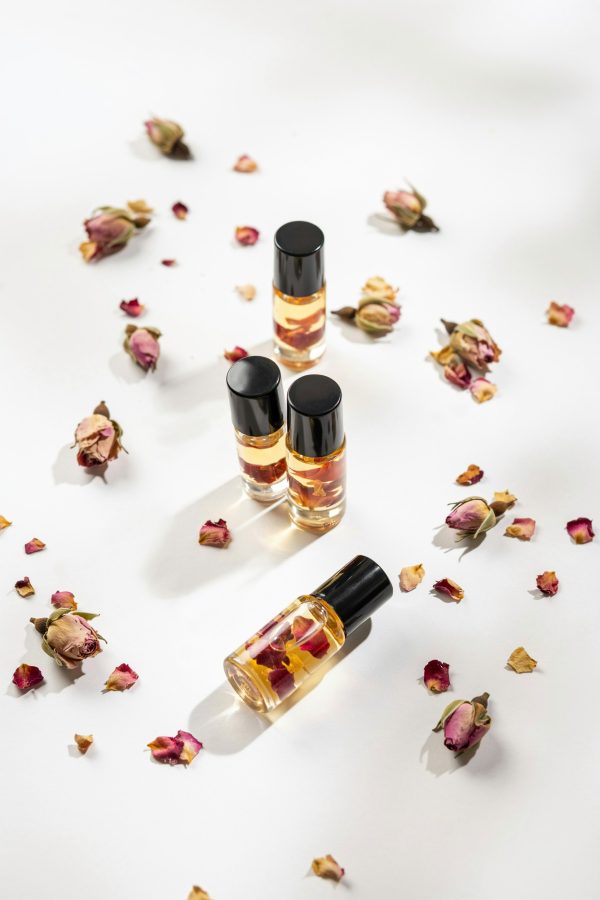
If you have ever wanted your own signature scent but cringed at the price tag on a tiny bottle of luxury perfume, you are not alone. Making your own DIY essential oil perfume blends is a smart way to smell exactly how you want without breaking the bank. With just a few affordable bottles and some basic know how, you can mix base, middle, and top notes to create a natural fragrance that is truly yours. Plus you get to skip the mystery chemicals and synthetic fillers found in most commercial sprays.
How to Blend Fragrance Notes on a Tight Budget
Every perfume works because of a simple structure: top notes that hit you first, middle notes that form the heart, and base notes that linger. You do not need expensive absolutes or rare oils to get this right. Start with one or two cheap but reliable oils for each layer. Sweet orange is a fantastic top note that costs almost nothing. Lavender or clary sage work beautifully as middle notes. For a base, choose cedarwood or a tiny drop of patchouli. A little patchouli goes a long way, so one bottle lasts ages.
The trick is to keep your blends simple at first. Three oils can already give you a complex, balanced scent. Write down your ratios so you can tweak them later. I usually start with something like 2 drops top, 3 drops middle, 1 drop base. Adjust from there. Do not overcomplicate it.
Choosing Cost Effective Essential Oils That Still Smell Great
You do not have to buy the most expensive brand to make a perfume that smells high end. Look for oils labeled 100% pure but sold in smaller bottles from reputable budget friendly companies. Some of my favorites that are easy on the wallet include:
- Sweet orange – bright, cheerful, and super cheap. Perfect for top notes.
- Lavender – versatile, calming, and widely available. Great middle note.
- Eucalyptus – sharp and clean. Use sparingly for a fresh kick.
- Cedarwood – warm and woodsy. A little bottle lasts forever.
- Peppermint – cooling and invigorating. Just one drop can change a whole blend.
- Lemongrass – zesty and herbal. A budget friendly alternative to lemon verbena.
Stay away from oils marketed as “perfume grade” or “fragrance oils” if you want a natural result. They are often synthetic and can smell harsh. Stick with pure essential oils and you will get a more authentic scent.
Household Items You Already Have for Mixing Perfume
You really do not need fancy equipment. Grab a clean glass dropper bottle or even a small amber jar from an old purchase. Rinse it well and let it dry completely. Your carrier oil is important but can be simple: jojoba oil is a favorite because it does not go rancid quickly, but fractionated coconut oil also works and is cheaper. If you want a spray version, mix your essential oils with a little vodka or high proof alcohol (the cheapest kind is fine) and then add distilled water.
I keep a set of paper coffee filters to test blends on. A drop on a filter strip lets me smell the progression without wasting oil. I also use an old notebook to jot down every experiment. That way I remember what worked and what smelled like a witchy accident. Trust me, writing it down saves money over time.
Three Easy Essential Oil Perfume Recipes for Beginners
These blends use oils you can find at most grocery stores or online for under ten dollars each. They are simple to make and smell genuinely lovely.
Recipe 1: Bright Citrus Lift
5 drops sweet orange (top), 3 drops lavender (middle), 2 drops cedarwood (base). Add to 10 ml of jojoba oil in a roller bottle. Roll onto wrists. You get a sunny, grounded scent that is not too sweet.
Recipe 2: Herbal Calm
4 drops lavender (top/middle), 3 drops clary sage (middle), 1 drop patchouli (base). This one is soft and slightly earthy. Great for wearing to bed or on a low key day.
Recipe 3: Fresh & Clean
3 drops eucalyptus (top), 2 drops peppermint (top), 4 drops lemongrass (middle). Skip a heavy base here. This blend is sharp and energizing. Perfect for a morning spritz or in a small aromatherapy inhaler.
Let each blend sit for a day or two before using. The scent will mellow and come together.
How to Test and Adjust Your Custom Scent Without Waste
Nothing hurts more than mixing up a full bottle and hating the result. That is why I always test on a cotton ball or coffee filter first. Put one drop of each oil on separate spots, then bring them close together to smell the combination. If you like it, mix a tiny batch in a teaspoon of carrier oil.
Another trick: use a small glass bowl and a stirring stick (an old chopstick works). Add oils drop by drop, smell after each addition. You can always add more, but you cannot remove too much. Keep a spray bottle of rubbing alcohol nearby to clean your skin between tests. This method helps you avoid wasting expensive oils.
If a blend feels too strong in one note, balance it by adding more of a middle note. For example, if too much patchouli dominates, add a few more drops of lavender or sweet orange to lift it. Do not rush the process. Your nose needs breaks, so step away for a few minutes and come back fresh.
Storing Your Homemade Perfume to Make It Last Longer
Essential oils are sensitive to light and heat. That is why dark glass bottles are your best friend. Amber or cobalt blue bottles cost very little online and keep your blend stable for months. Store your perfume in a cool, dark cupboard away from the stove or bathroom humidity. If you use a rollerball, clean the ball with rubbing alcohol every couple of refills to stop old oil from contaminating the new batch.
Avoid plastic containers. Essential oils can degrade plastic over time, and you will end up with a weird smell. Glass is cheap and safe. I also recommend making small batches at a time, maybe 5 ml or 10 ml. That way you can experiment without worrying about a huge bottle going bad. A well stored perfume can last up to a year, but citrus heavy blends tend to fade faster, so use those within a few months.
If you notice your scent weakening or smelling off, it is time to mix a fresh batch. That is the beauty of DIY: you can always make more.
Creating your own signature scent does not have to be expensive or complicated. With a handful of affordable oils and a little patience, you can build a natural perfume that fits your personality and your budget. Next time you reach for that overpriced department store bottle, remember you could make something better for a fraction of the cost. Give one of these recipes a try this weekend and see how your own blend turns out. You might just surprise yourself.
#DIYPerfume #EssentialOilBlends #AromaticHome #NaturalPerfume #EssentialOils
Leave a Comment