The Summer Balcony Setup That Actually Works
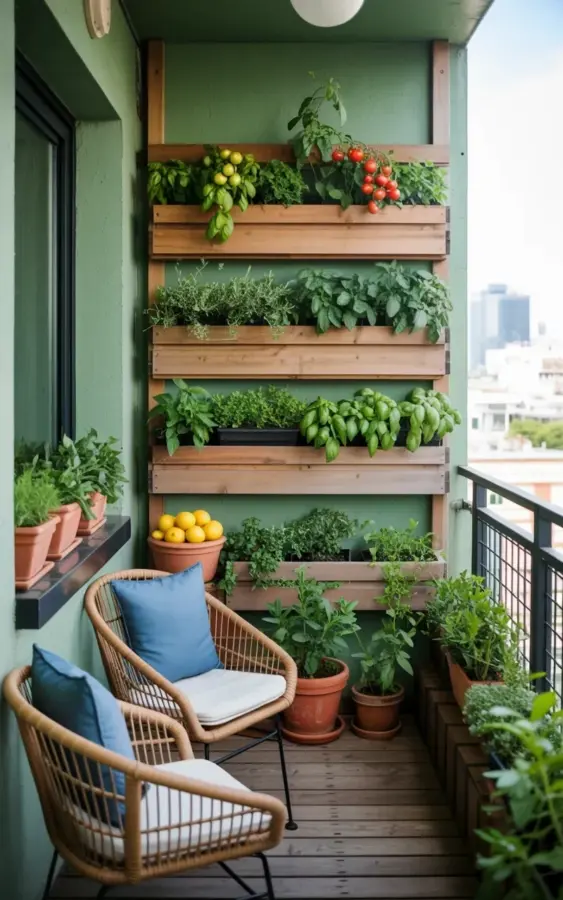
Look, the photo you see on Pinterest, the one with the mint green wall and the wooden planter loaded with cherry tomatoes, that took me two summers of failures to achieve. My balcony garden used to be a sad collection of yellowing leaves and one pathetic basil plant that gave up on life in July. Then I rebuilt everything around a simple vertical wooden planter system, and honestly, the difference is night and day. In the middle of summer, that balcony garden is at its peak, overflowing with red and yellow cherry tomatoes, fresh basil, and enough herbs to make my kitchen smell like a restaurant.
You don’t need a yard to grow your own food. You really don’t. You just need a wall, some vertical space, and the willingness to learn from mistakes that I’m about to save you from.
Mistake Number One: Treating Your Vertical Planter Like a Regular Flower Box
Here’s the thing about vertical planters, they dry out way faster than anything you’ve ever grown in a standard pot. The wooden slats in my setup look beautiful, three horizontal rows mounted on that mint wall, but wood is porous. It wicks moisture away from the soil constantly. My first year, I planted everything in early June and by mid-July the tomatoes were stressed, the basil was bolting, and I was watering twice a day just to keep things alive.
The fix is actually pretty simple. You need to add water retention crystals to your potting mix or mix in a generous amount of compost that holds moisture longer. I also started grouping plants that have similar water needs together on the same slat. The cherry tomatoes on the top row get a bit more airflow, the herbs in the middle do fine with the morning sun, and I stopped trying to force rosemary (which hates wet feet) to share a box with basil (which drinks like a fish).
One more thing, check your planter every single day in peak summer. Not every other day. Daily. Stick your finger an inch into the soil and if it feels dry, water it. The top slat in my planter dries out first because heat rises, so give that row an extra splash or two.
Mistake Number Two: Choosing the Wrong Plants for the Wrong Slots
Your vertical planter is not a one-size-fits-all growing space. Each slat has a different microclimate depending on its height, sun exposure, and proximity to walls. My balcony faces south and that mint wall absorbs heat like a sponge, so the top slat gets scorching afternoon sun while the bottom slat stays slightly cooler and more protected. Plant accordingly.
- Top slat: sun worshippers like cherry tomatoes and trailing nasturtiums
- Middle slat: basil, chives, and other herbs that like consistent warmth without extremes
- Bottom slat: shade-tolerant herbs like parsley, mint, or lemon balm
I learned this the hard way when I put a delicate dill seedling on the top row and it turned into a crispy brown skeleton within a week. The tomatoes, on the other hand, absolutely thrived up there. Red and yellow cherry tomatoes, dozens of them, hanging down over the wooden edge like edible jewelry. Honestly, pruning the lower leaves off your tomato plants in a vertical planter is critical too. It improves airflow and prevents fungal issues, which is the number one killer of balcony tomatoes in humid summer weather.
Mistake Number Three: The Mounting Disaster Waiting to Happen
Ok so, nobody talks about the structural side of vertical gardening. They just show you gorgeous photos of lush green walls and fail to mention that the whole thing could come crashing down in a windstorm. When I first mounted my wooden planter, I used those flimsy plastic anchors from the hardware store. Big mistake. One gusty afternoon and the whole unit swung sideways, knocking over two terracotta pots and scattering soil everywhere.
The fix involved proper masonry anchors and screws that actually reach into the solid part of the wall, not just the plaster. Also, you want a small gap between the back of your wooden planter and the wall, maybe half an inch. This allows airflow behind the planter, which prevents moisture damage to both the wood and your wall paint. That mint green wall looks fresh and clean in the photo because I learned this lesson the hard way and repainted the water-damaged spots.
Don’t overload the planter either. The horizontal wooden slats in my setup are strong, but I still don’t fill them to the absolute brim with wet soil right after installation. Wet soil is heavy. Like, surprisingly heavy. I added the plants first, then watered gradually so the structure could settle naturally.
Mistake Number Four: Ignoring the Space Below the Vertical Planter
One thing that makes my balcony garden work so well is that I use every square inch of floor space thoughtfully. The wooden vertical planter handles the climbing and trailing plants, but the floor below and beside it does something different entirely. I have terracotta pots down there holding yellow lemons and extra herbs. The citrus trees are actually dwarf varieties, so they stay manageable in containers while still producing real fruit. It took me a while to realize that terracotta pots below the planter catch the runoff and create a lovely layered effect, not just visually but functionally. The lemons get the indirect light that filters through the tomato foliage above.
I also put a small tray under the main planter to collect excess water, because watering from above always sends a little cascade down the slat edges. That tray has saved my wooden deck floor from staining and warping more times than I can count. Worth every penny.
Mistake Number Five: Forgetting the Balcony Is Also a Living Space
This is the mistake that almost made me give up. My first balcony garden was purely functional. Just a messy grid of pots and planters with no rhyme or reason, no seating, no rhythm. It was productive but honestly, who wants to sit in a jungle of mismatched plastic pots? The day I added those two woven rattan chairs with white cushions and blue throw pillows, the whole space transformed. It became a room. A little outdoor living area where the garden doesn’t just exist for food production, it exists for me.
The photo shows that corner with the rattan chairs and they’re not just decorative. That’s my reading spot. I sit there every morning with coffee while the tomatoes ripen behind me and the herbs release their scent in the warm air. If you build a balcony garden that you don’t actually enjoy sitting in, you won’t maintain it. And if you don’t maintain it, it dies. Simple as that.
Choose containers that complement your style. Mix materials, wood, terracotta, maybe a metal accent or two. Create visual layers with height, texture, and color. The mint wall in my balcony acts as a backdrop that makes all the green foliage pop, and the white chair cushions brighten the whole corner. It’s not just about growing food, it’s about making a small space that feels bigger and better than it is.
Why the Smallest Gardens Need the Most Attention
There’s a weird misconception that a small balcony garden is easier than an in-ground plot. It’s not. Small spaces magnify every issue. A pest infestation that might go unnoticed in a big yard will decimate a tiny balcony garden in forty-eight hours. A week of neglect in July could render your vertical planter a crispy wasteland. The upside is that when you do it right, the rewards are concentrated and constant. My balcony garden produces more tomatoes and basil than I can actually use fresh, and I’m not embarrassed to admit I’ve given bags of cherry tomatoes to confused neighbors.
One more practical detail for small-space growing: track your watering reliably. I keep a little notebook (honestly, sometimes just a note in my phone) and I jot down when I fertilize, what I pruned, and any pest problems. That sounds obsessive, but it makes next summer drastically easier because you remember exactly what worked and what didn’t. Sustainable gardening means starting fresh each season without repeating the same mistakes. That’s the secret most glossy garden photos don’t tell you about.
Growing Food Takes Proof, Not Perfection
Next time you see a gorgeous vertical balcony garden photo, remember that the person who made it probably killed a few plants along the way. The red and yellow cherry tomatoes and the fresh basil on my mint wall represent years of trial and error. You don’t need a yard to grow your own food, you just need a wall, decent soil, and the patience to mess up a little before you get it right.
If you’ve been thinking about building a vertical planter for your small space, this is your sign. Start small, pick the right plants for each slot, secure the mounting properly, and don’t forget to make room for a comfy chair. Your balcony can feed you and comfort you at the same time. Save this post for your own setup, and when your first cherry tomato ripens, you’ll know exactly why all those Pinterest pins are worth the effort.
Leave a Comment